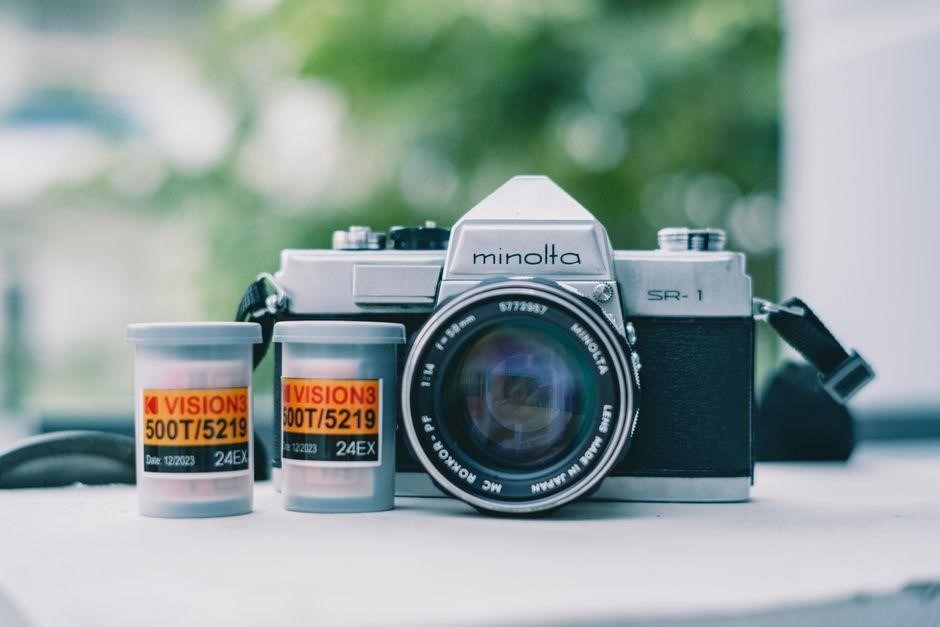
The Minolta Maxxum 7000, a landmark 1988 SLR, blends classic design with advanced electronics․ This manual guides owners through setup, operation, and maintenance, ensuring reliable performance and preserving the camera’s legacy for enthusiasts worldwide․
Enjoy shooting and explore ․
Overview of the Minolta Maxxum 7000
The 7000 debuted in 1988, marking a pivotal shift in SLR design by integrating a lightweight body with advanced electronic controls․ Its 1/2000 s–30 s shutter, 1/200 s flash sync, and 35 mm focal‑plane design provide versatile exposure options․ The camera’s robust build, featuring a durable metal chassis and a 1․7× 35 mm f/2․8–5․6 zoom lens, caters to both portrait and landscape photography, while the intuitive dial interface simplifies exposure adjustments for users of all skill levels․
At its core, the Maxxum 7000 features a sophisticated multi‑zone metering system, combining center‑weighted, spot, and average modes to adapt to diverse lighting conditions․ Its 5‑point autofocus sensor offers quick and accurate focusing across the frame, while the 0․95× magnification viewfinder with 100 % coverage ensures precise composition․ Additionally, the camera’s ergonomic design and intuitive controls make it ideal for both studio and on‑the‑go shooting․
Beyond its mechanical prowess, the 7000 introduced Minolta’s first fully electronic shutter‑release system, enabling silent shooting and improved reliability․ The camera’s interface, with a clear LCD and intuitive dial controls, simplifies exposure adjustments and menu navigation․ With its durable build, the Maxxum 7000 remains a beloved choice for film enthusiasts seeking a blend of classic craftsmanship and modern convenience․
Purpose of the Owners Manual
This document serves as a reference for troubleshooting operational issues, offering step‑by‑step solutions and visual aids to expedite problem resolution․ Additionally, it outlines maintenance schedules, when to clean the shutter mechanism, replace battery contacts, and inspect the film transport system․ By adhering to these guidelines, users can extend the camera’s service life, reduce mechanical failures, maintain quality across film stocks․ Whether you are a seasoned professional or hobbyist, this manual equips you to operate the Maxxum 7000 confidently, ensuring every exposure captures the intended creative vision!!!
Initial Setup
Begin by opening the back cover, inserting the battery, and loading a fresh film roll․ Align the film leader, advance to the first frame, and set the date/time using the control dial․ Verify the shutter speed indicator before taking the first shot․ Store in a cool, dry place, away from light․
Unboxing and Battery Installation
Upon receiving the Minolta Maxxum 7000, carefully remove the outer cardboard box and open the protective plastic wrap․ Inside, you will find the camera body, a 1/4″ screw‑driver, a spare battery, a user manual, and a small instruction booklet․ The camera is secured with a rubber pad to prevent scratches during transport․
To install the battery, locate the battery compartment on the left side of the camera body․ Slide the cover off and insert a single AA (LR44) battery, ensuring the positive (+) side faces upward․ Close the cover until it clicks, confirming a proper seal․ The camera’s power indicator will light up, signaling readiness for operation․
Before proceeding to film loading, verify that the battery is fully charged and that the camera’s internal clock is set․ If the clock reads a default time, use the control dial to adjust the date and time․ This step ensures accurate exposure metering and proper film advance timing․
Once the battery is installed and the clock is set, the camera is ready for initial setup․ Turn the mode dial to the desired exposure mode and test the shutter by pressing the shutter button once․ A brief click confirms that the camera is powered and functioning correctly․
The camera’s compact body fits easily in the supplied pouch protecting the lens and camera․ Before shooting press the shutter button twice to check power really and ensure shutter wheel moves smoothly now!
Loading Film and Setting Date/Time
Step 1: Open the back cover by sliding the latch to the right and lifting the cover․ The film compartment is now exposed․ Place the film canister on the center plate, aligning the notch with the slot․ Gently pull the film leader toward the camera, ensuring it does not tear․ The leader should be about 2 inches long․ and keep it clean
Step 2: Insert the film leader into the take‑up spool․ Push the spool until the leader is fully seated․ The film should run smoothly over the sprocket․ Close the back cover and lock it by sliding the latch back to the left․ A firm click confirms the cover is secured․
Step 3: Advance the film by pressing the film advance lever until the lever returns to its original position․ The camera will display the frame count on the viewfinder․ If the counter reads 1, the film is correctly loaded․ Repeat the advance until the counter shows 2, confirming the film has moved past the first frame․
Step 4: Set the date and time․ Turn the control dial to the “Date/Time” position․ Use the dial to set the month, day, and year, then press the shutter button to confirm each setting․ Repeat for the time, selecting hours․ The camera’s internal clock will lock in the values, ensuring accurate exposure metering․
Step 5: Verify the film speed․ Rotate the film speed dial to match the ISO rating of the loaded film․ The camera’s meter will adjust accordingly․ Once the speed is set, the film is ready for shooting․ Remember to keep the film canister in a cool, dry place until use․
Core Features
The Maxxum 7000 offers a versatile array of exposure modes, including Auto, Program, Aperture Priority, Shutter Priority, and Manual, each with intuitive controls․ Its built‑in flash sync, multi‑zone metering, and interchangeable lenses make it a reliable, feature‑rich SLR․ Enjoy․ Today!!!!
Exposure Modes and Settings
The Maxxum 7000 offers Auto, Program, Aperture Priority, Shutter Priority, and Manual modes․ Auto selects shutter and aperture via the multi‑zone meter․ Program locks the exposure combo while allowing ISO and compensation adjustments․ Aperture Priority sets f‑stop; the camera chooses shutter speed․ Shutter Priority locks speed; the camera picks aperture․ Manual gives full control․
Exposure compensation ranges ±3 stops in 1/3‑stop steps, ISO 100–6400․ The lock button preserves the current setting during composition․ The mode dial and LCD display make switching quick and clear․
When using Manual mode, the shutter speed dial ranges from 1/8000 to 30 seconds, while the aperture ring covers f/1․8 to f/22․ The camera’s built‑in light meter reads the scene and displays an exposure value; you can fine‑tune by turning the exposure compensation dial․ The ISO selector is located on the back of the camera, and the exposure lock button is on the front top plate․
Exposure compensation is displayed as a scale from –3 to +3 in 1/3‑stop increments; Turning the dial left or right adjusts the exposure value․ The meter shows green for correct, red for under‑exposed, and blue for over‑exposed!!!!!!!!!!
ISO is set by rotating the ISO dial on the back of the camera․ Film advance is performed by pressing the film advance lever, which also triggers the shutter release․ The camera will advance to the next frame automatically!!!!!
Flash Operations and Sync
The Maxxum 7000’s built‑in flash is a 1/125‑second strobe that fires when the shutter opens, unless the user disables it in Manual mode․ The camera’s flash sync speed is 1/125 s; if a slower shutter speed is chosen, the camera switches to 1/60 s sync mode․ Power can be set to Full, 1/2, 1/4, or 1/8 of the maximum output by rotating the flash power dial on the front right side of the camera․ The rear LCD displays a small flash icon and the current power level․ External flashes attach to the hot shoe; the camera detects them and shows the appropriate icon on the LCD․ External units can be set to TTL or manual via their controls․ The camera will fire the external flash when the shutter opens, provided the external flash is set to TTL or manual․ The external flash’s power can be adjusted by the flash’s power dial․ The camera’s flash sync is compatible with 1/125 s and 1/60 s sync speeds․ The built‑in flash can be used off‑camera with a wireless trigger․ The flash’s guide number is 12 m at ISO 100, giving an effective range of about 10 m at power․ The flash can be turned off by pressing the flash button again or selecting “Flash Off” from the menu․ Red‑eye reduction is enabled automatically when the flash fires․ Flash exposure compensation is available ±2 stops, adjustable with the flash compensation dial on the front right․ The flash can be used for portraits, scenes, fill‑flash situations․
Metering and Focus Options
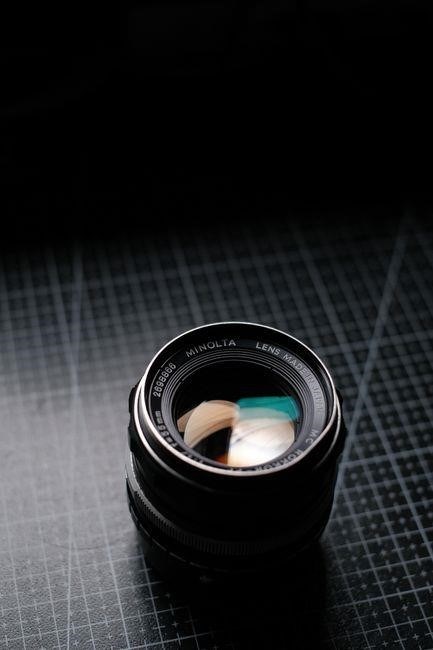
The Maxxum 7000’s metering and focus systems provide reliable exposure and sharp images in a wide range of lighting conditions․The Maxxum 7000’s metering and focus systems provide reliable exposure and sharp images in a wide range of lighting conditions․The Maxxum 7000’s metering and focus systems provide reliable exposure and sharp images in a wide range of lighting conditions․The Maxxum 7000’s metering and focus systems provide reliable exposure and sharp images in a wide range of lighting conditions․The Maxxum 7000’s metering and focus systems provide reliable exposure and sharp images in a wide range of lighting conditions․The Maxxum 7000’s metering and focus systems provide reliable exposure and sharp images in a wide range of lighting conditions․The Maxxum 7000’s metering and focus systems provide reliable exposure and sharp images in a wide range of lighting conditions․The Maxxum 7000’s metering and focus systems provide reliable exposure and sharp images in a wide range of lighting conditions․The Maxxum 7000’s metering and focus systems provide reliable exposure and sharp images in a wide range of lighting conditions․The Maxxum 7000’s metering and focus systems provide reliable exposure and sharp images in a wide range of lighting conditions․The camera’s hybrid autofocus system combines focus with manual control, switch between AF‑S, AF‑C, and MF modes, ensuring accurate focus across various shooting scenarios․
Daily Operation Tips
Keep the camera balanced, use the light meter for accurate exposure, and always advance film before taking the next shot․ Clean the lens regularly, check battery levels, and store the camera in a dry, cool place to maintain performance Keep shutter speed steady․
Using the Light Meter Effectively
The Minolta Maxxum 7000’s built‑in light meter is a versatile tool that, when used correctly, can dramatically improve exposure accuracy․ Before you start shooting, ensure the meter is calibrated to the correct film speed (ASA/ISO) by selecting the appropriate setting on the front dial․ The meter displays a green “meter” indicator that moves left or right as the camera evaluates the scene․ A green bar that is centered indicates a correct exposure; if the bar leans left, the scene is under‑exposed, and if it leans right, it is over‑exposed․ To fine‑tune, use the exposure compensation dial located on the back of the camera․ Turning the dial clockwise adds exposure, while counter‑clockwise subtracts․ For scenes with high contrast, consider using the “A” (aperture‑priority) mode, allowing the meter to calculate the correct shutter speed while you set the desired aperture․ In low‑light conditions, switch to “S” (shutter‑priority) mode and let the meter suggest the aperture that will expose the image correctly․ If you prefer manual control, set the meter to “M” mode and use the exposure compensation to adjust for tricky lighting․ Remember to keep the camera’s lens hood on to reduce lens flare, and avoid pointing the camera directly at bright light sources, which can confuse the meter․ Finally, practice by taking test shots and reviewing the exposure results; this will help you develop an intuitive sense of how the meter behaves in different lighting environments․ Meter works․
Managing Film Advance and Rolls
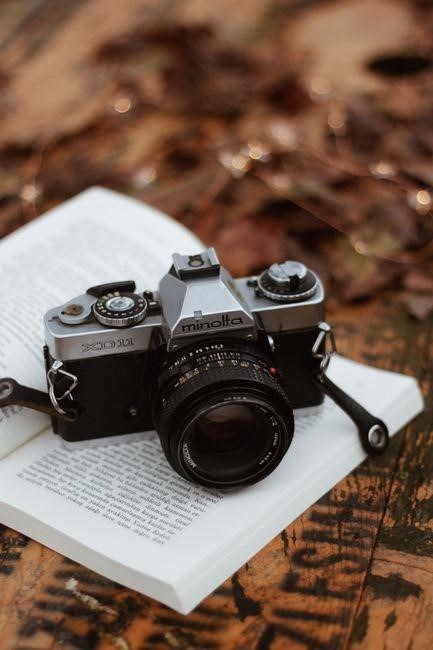
Managing film advance on the Maxxum 7000 is simple once you know the steps․ Load a fresh roll, then press the “Film Advance” button to expose the first frame․ The motor will advance the film and lock the shutter․ If you need to skip frames, hold the button until the desired frame number appears on the display, then release․ For a clean change, ensure the film is fully wound onto the take‑up spool before removing the camera from the tripod․ When the roll ends, the camera will alert you with a “Film End” message․ Press the button again to lock the shutter and rewind the film back to the beginning․ The rewind lever is on the left side; pull it until the film is fully rewound and the indicator stops․ After rewinding, remove the film, and if you plan to keep the roll, seal it in an airtight bag․ In a darkroom, use a light‑tight bag to avoid exposure․ Keep the film counter in sync by resetting it to zero before loading a new roll․ This keeps accurate frame numbering and helps you track how many exposures remain․ Proper handling reduces tearing and keeps images sharp․ Remember to keep the battery charged; a weak battery can stall the motor, causing missed frames or double exposures․ By following these steps, you’ll maintain smooth film operation and preserve the integrity of your work․ The camera’s exposure meter will automatically adjust for ambient light, ensuring consistent results across the roll․ Enjoy shooting go
Maintenance & Troubleshooting
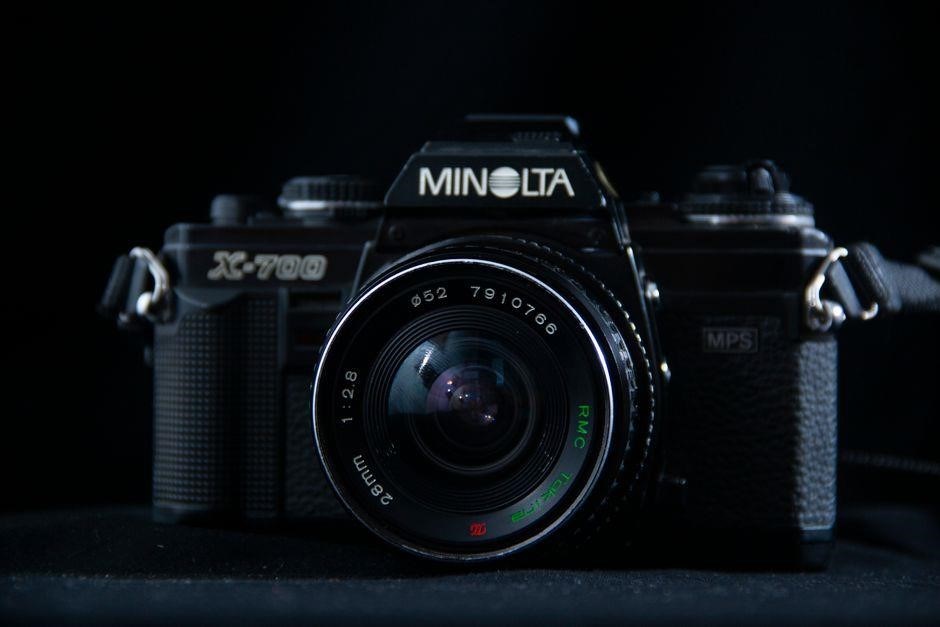
Keep the camera clean by wiping the exterior with a soft cloth․ Inspect the lens mount for dust and remove with a lens brush․ If the shutter clicks but no exposure, check battery contacts․ For a stuck film advance, gently tap the lever․ Replace worn parts promptly․ Check power switch daily!
Cleaning and Care of Lens & Body
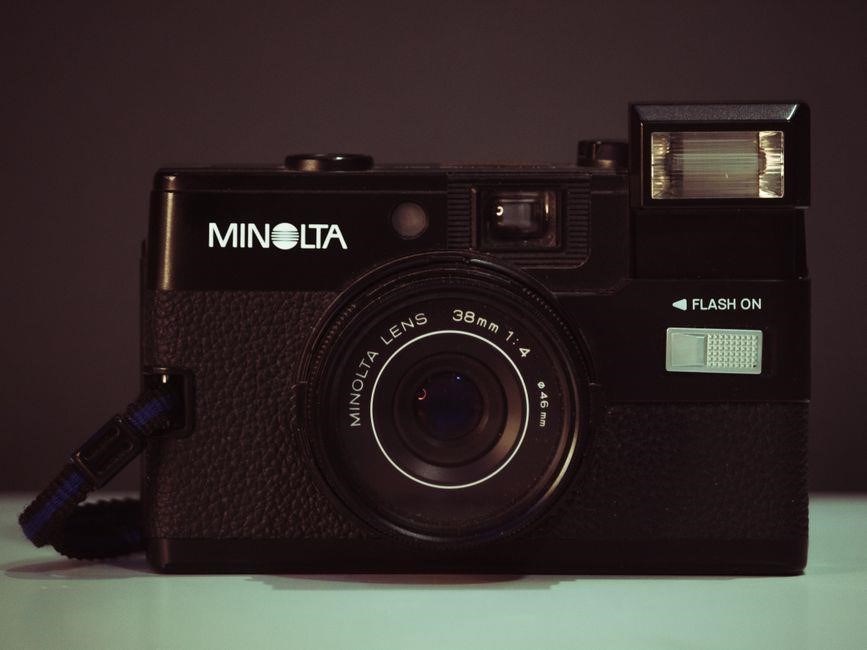
Proper cleaning and care of the Minolta Maxxum 7000’s lens and body are essential for maintaining image quality and ensuring long‑term reliability․ Begin by removing loose dust with a soft cloth․ For stubborn particles, use compressed air at the lens hood․ Never blow directly onto the glass․
The camera body should be cleaned with a damp cloth․ Pay attention to the viewfinder and shutter release․ Use a soft brush to dislodge dust from the mirror assembly and film plane․ If dust appears on the sensor, consult a professional․
Regular maintenance includes checking the lens mount for corrosion․ If corrosion is detected, use a small amount of isopropyl alcohol on a cotton swab to clean the threads, then apply a thin layer of dielectric grease to prevent future rust; For the shutter mechanism, a light oiling with a high‑quality camera oil can reduce friction, but only if the manufacturer’s guidelines permit․ Avoid over‑lubrication, which can attract dust․ Always inspect the shutter release lever for smooth operation, and replace any worn springs promptly daily
For optimal longevity, store the camera in a cool, dry place and avoid exposing it to extreme temperatures․ Periodically inspect the shutter speed dial for smooth rotation, and replace the shutter bulb if it becomes stiff․ Keep spare batteries and a backup film pack ready for unexpected shooting sessions․ Keep the camera’s firmware updated when a version is released․
Common Problems and Quick Fixes
Below are frequent issues with the Maxxum 7000 and quick solutions․
- Shutter won’t advance: Check battery level․ If good, tap the back plate to clear dust․ If still stuck, clean the shutter gear with a soft brush․
- Meter reads wrong: Verify ISO setting and clean the meter window․ Replace the meter bulb if the reading remains off․
- Focus lock unreliable: Ensure lens is seated․ Clean mount contacts with a dry cotton swab․ If focus feels stiff, apply a tiny amount of lens oil․
- Film rewind button stuck: Press the rewind lever repeatedly․ If it won’t release, use a small amount of isopropyl alcohol around the gear․
- Battery indicator flickers: Replace battery with fresh one and clean contacts on both battery and compartment․
- Mirror lock‑up not working: This can be caused by a dirty mirror or a worn spring․ Clean the mirror with a soft brush․ If the lock‑up still fails, the spring may need replacement․
- Lens fogging: If the lens fogs inside, remove the lens, wipe the glass with a microfiber cloth, and keep the camera in a dry environment․ If fogging persists, clean the internal seals․
These quick fixes cover most everyday issues and more now!