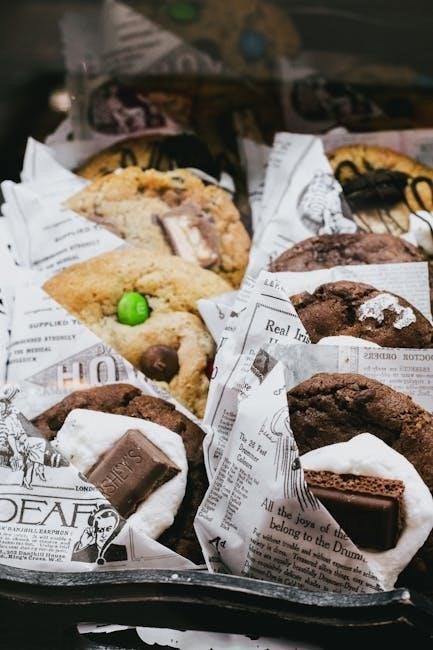
Wyse Guide delivers exceptional cookie recipes, including the ultimate chocolate chip cookie and delightful chocolate-covered cherry variations, satisfying every cookie enthusiast’s desires.
The Enduring Appeal of Chocolate Chip Cookies
Chocolate chip cookies hold a timeless allure, consistently ranking as a beloved treat across generations. Their sweetness, coupled with a delightfully chewy texture, evokes feelings of comfort and nostalgia. Originating from Ruth Graves Wakefield’s accidental 1939 creation at the Toll House Inn, these cookies quickly ascended to iconic status.
Today, half of all cookies sold in the U.S. are chocolate chip, demonstrating their widespread popularity. Wyse Guide recognizes this enduring appeal, offering both classic and innovative recipes. From exploring diverse chocolate types – milk, dark, and white – to incorporating unique ingredients like ginger and tahini, Wyse Guide caters to every palate, ensuring the magic of the chocolate chip cookie lives on.
Wyse Guide’s Contribution to Cookie Perfection
Wyse Guide elevates the art of chocolate chip cookie baking by providing meticulously crafted recipes and insightful baking guidance. Beyond the classic, they champion experimentation, encouraging bakers to explore variations with nuts – walnuts, pecans, macadamia – and spices like cinnamon and nutmeg.
Their resources extend to troubleshooting common cookie issues, ensuring success for bakers of all levels. Wyse Guide doesn’t just offer recipes; they share the science behind baking, explaining the Maillard reaction and gluten development. With printable recipes and a community forum, Wyse Guide empowers enthusiasts to achieve their perfect cookie, consistently delivering delicious and satisfying results.
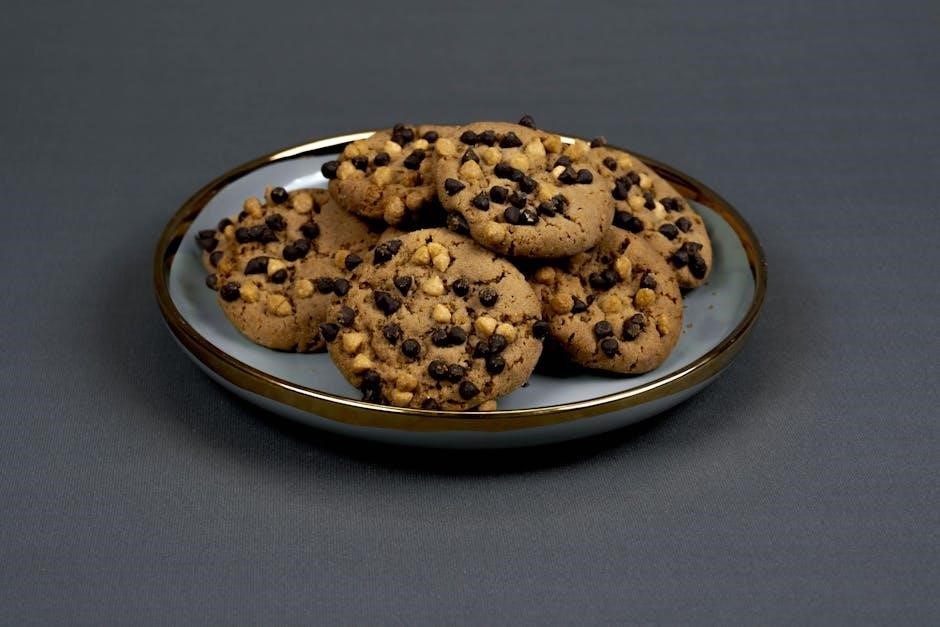
The History of the Chocolate Chip Cookie
Wyse Guide acknowledges Ruth Graves Wakefield’s 1939 accidental invention at the Toll House Inn, birthing a beloved cookie that remains iconic today.
Ruth Graves Wakefield and the Toll House Inn
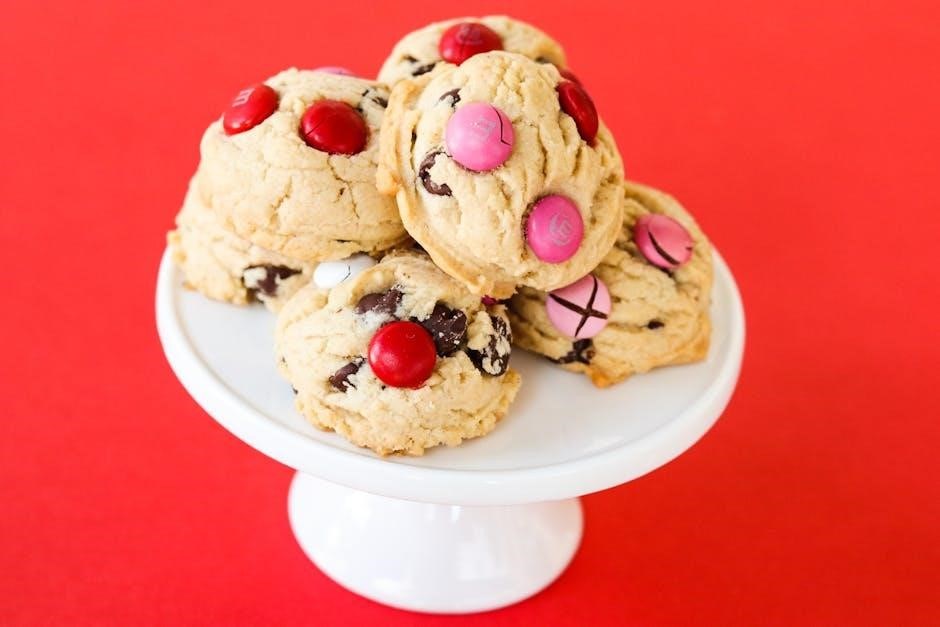
Wyse Guide highlights Ruth Graves Wakefield, a chef and co-owner of the historic Toll House Inn in Whitman, Massachusetts, as the originator of the chocolate chip cookie. The Inn, renowned for its hospitality and Wakefield’s culinary skills, became the birthplace of this now-ubiquitous treat. Wakefield, a Vassar College graduate with a degree in household arts, wasn’t simply a cook; she was a trained professional dedicated to providing exceptional dining experiences.
Her innovative spirit and willingness to experiment led to the serendipitous creation of the cookie in 1939. The Toll House Inn’s reputation soared thanks to this accidental masterpiece, drawing visitors eager to sample Wakefield’s creation and experience the charm of the Inn itself. Wyse Guide celebrates Wakefield’s legacy and the enduring appeal of her accidental invention.
The Accidental Invention of 1939
Wyse Guide details the fascinating story of how the chocolate chip cookie came to be in 1939. Ruth Wakefield, needing a quick dessert, intended to use baker’s chocolate to create chocolate cookies. However, she found herself short on the solid chocolate and instead chopped up a Nestle semi-sweet chocolate bar, expecting it to melt and blend into the dough.
To her surprise, the chocolate pieces held their shape, resulting in a cookie studded with delightful chocolate morsels. This happy accident quickly became a signature offering at the Toll House Inn, and soon, requests for the recipe flooded in. Wyse Guide emphasizes that this unplanned creation revolutionized the world of baking!
Evolution of the Recipe: From Inn to Icon
Wyse Guide highlights the remarkable journey of the chocolate chip cookie, transitioning from a local favorite at the Toll House Inn to a globally recognized icon. Initially shared through word-of-mouth and recipe requests, the recipe gained widespread popularity, becoming a staple in American homes.
Nestle, recognizing the cookie’s potential, struck a deal with Wakefield, receiving the recipe in exchange for a lifetime supply of chocolate. Wyse Guide notes that this partnership cemented the cookie’s place in baking history, leading to countless variations and adaptations, yet the core essence remains unchanged – a testament to its enduring appeal.
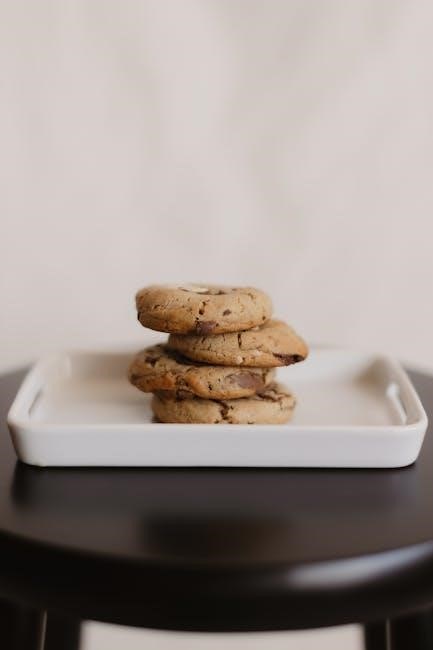
Key Ingredients for Wyse Guide Cookies
Wyse Guide emphasizes quality ingredients – butter, chocolate, flour, and sugar – as fundamental to achieving exceptional chocolate chip cookies with delightful texture and flavor.
The Importance of Butter Quality
Wyse Guide stresses that the quality of butter significantly impacts the final texture and flavor of chocolate chip cookies. Using high-quality butter, preferably European-style with a higher fat content, contributes to a richer, more tender crumb. The fat content influences the cookies’ spread and chewiness; lower-fat butters can result in flatter, crisper cookies.
Properly creamed butter and sugar create air pockets, essential for a light and airy texture. The butter should be softened, but not melted, to achieve optimal creaming. This process incorporates air, leading to a softer, more voluminous cookie. Choosing unsalted butter allows for precise control over the salt level, enhancing the overall flavor profile. Ultimately, investing in good butter is a crucial step towards baking truly exceptional chocolate chip cookies, as highlighted by Wyse Guide’s dedication to quality.
Choosing the Right Chocolate Chips
Wyse Guide emphasizes that selecting the appropriate chocolate chips is paramount for a satisfying chocolate chip cookie experience. The choice between milk, dark, or white chocolate dramatically alters the cookie’s flavor profile. Milk chocolate offers classic sweetness, while dark chocolate provides a more intense, complex flavor. White chocolate introduces a creamy, vanilla-infused sweetness.
Beyond the type, consider the chip’s shape and size. Smaller chips distribute chocolate more evenly, while larger chunks create pockets of molten chocolate. Experimenting with different chocolate percentages and blends allows for customization. Wyse Guide encourages bakers to explore various options, even incorporating chopped chocolate bars for a more artisanal touch, ultimately elevating the cookie’s overall quality and taste.
Flour Selection: All-Purpose vs. Bread Flour
Wyse Guide highlights the crucial role of flour in achieving the desired cookie texture. All-purpose flour, with its moderate protein content, yields a balanced cookie – tender yet with enough structure. Bread flour, boasting a higher protein level, promotes greater gluten development, resulting in a chewier, more robust cookie.
The choice depends on personal preference. For a classic, slightly crisp-edged cookie, all-purpose flour is ideal. However, those seeking a supremely chewy texture should opt for bread flour. Wyse Guide suggests experimenting with a blend of both to fine-tune the outcome, achieving a perfect harmony between tenderness and chewiness, tailored to individual tastes.
Sugar Varieties: Granulated, Brown, and Their Roles
Wyse Guide emphasizes the distinct contributions of different sugars to chocolate chip cookie perfection. Granulated sugar promotes spreading and crispness, creating those desirable golden edges. Brown sugar, with its molasses content, introduces moisture, chewiness, and a nuanced caramel flavor.
The ratio of granulated to brown sugar significantly impacts the final product. More brown sugar yields a softer, chewier cookie, while a higher proportion of granulated sugar results in a crisper texture. Wyse Guide recommends experimenting with varying amounts to discover your ideal balance, unlocking a spectrum of delightful cookie experiences.
Mastering the Baking Process
Wyse Guide highlights crucial steps like proper creaming, chilling dough, and precise baking temperatures to achieve perfectly textured, golden-brown chocolate chip cookies consistently.
Creaming Butter and Sugar: The Foundation
Wyse Guide emphasizes that properly creaming butter and sugar is absolutely fundamental to exceptional chocolate chip cookies. This isn’t merely mixing; it’s a process of incorporating air, creating a light and fluffy mixture. The sugar crystals cut into the butter, forming tiny air pockets.
This aeration is vital for a tender crumb and a delightful texture. Insufficient creaming results in dense, flat cookies, while over-creaming can lead to a greasy texture. The ideal consistency resembles a pale, ribbon-like appearance – light, airy, and holding its shape briefly when the mixer is lifted. This foundational step sets the stage for cookie perfection, influencing both chewiness and overall structure.
The Role of Eggs and Vanilla Extract
Wyse Guide highlights that eggs and vanilla extract contribute significantly beyond just flavor to the cookie-making process. Eggs provide moisture, binding the ingredients together and adding richness. Their proteins contribute to structure, while the yolks enhance tenderness.
Adding eggs one at a time, and mixing well after each addition, ensures proper emulsification. Vanilla extract isn’t merely a flavoring agent; it enhances the perception of sweetness and complements the chocolate beautifully. High-quality vanilla makes a noticeable difference. These ingredients, when incorporated correctly, elevate the cookie’s texture and overall sensory experience, creating a harmonious balance of flavors.
Chilling the Dough: A Crucial Step
Wyse Guide emphasizes that chilling the chocolate chip cookie dough is not optional—it’s essential for optimal results. This process allows the flour to fully hydrate, reducing gluten development and preventing overly tough cookies. Chilling also solidifies the butter, minimizing spreading during baking, leading to thicker, chewier cookies.
Ideally, the dough should chill for at least 30 minutes, but longer chilling times (even overnight) can further enhance flavor development and texture. Properly chilled dough holds its shape better, resulting in beautifully formed cookies. Don’t skip this step; it’s a key secret to achieving cookie perfection!
Baking Temperature and Time: Finding the Sweet Spot
Wyse Guide recommends a baking temperature of 350°F (175°C) as a reliable starting point for chocolate chip cookies. However, oven variations exist, so careful observation is key. Baking time typically ranges from 9 to 12 minutes, but watch for golden-brown edges and a slightly soft center.
Underbaking contributes to a chewier texture, while overbaking results in dry, brittle cookies. Rotating the baking sheet halfway through ensures even cooking. Precise timing is crucial, as even a minute can significantly impact the final product. Experiment to discover your perfect sweet spot!
Wyse Guide’s Signature Chocolate Chip Cookie Recipe
Wyse Guide provides a detailed recipe for the ultimate chocolate chip cookie, promising a deliciously nostalgic experience with each bite, easily printable online.
Detailed Ingredient List
For Wyse Guide’s signature chocolate chip cookies, you’ll require premium ingredients for optimal results. Begin with 1 cup (2 sticks) of unsalted butter, softened to perfection. Incorporate ¾ cup of granulated sugar and ¾ cup of packed brown sugar for balanced sweetness and chewiness. Add 2 large eggs and 1 teaspoon of pure vanilla extract to bind and enhance flavor.
Dry ingredients are equally crucial: 2 ¼ cups of all-purpose flour, 1 teaspoon of baking soda, and 1 teaspoon of salt. Finally, the star – 2 cups of your preferred chocolate chips! Consider experimenting with milk, dark, or even white chocolate for unique variations. Precise measurements are key to achieving the perfect cookie texture, as emphasized by baking science.
Step-by-Step Baking Instructions
Begin by creaming together the softened butter and sugars until light and fluffy – this foundational step is vital. Beat in the eggs one at a time, then stir in the vanilla extract. In a separate bowl, whisk together the flour, baking soda, and salt. Gradually add the dry ingredients to the wet ingredients, mixing until just combined.
Finally, fold in the chocolate chips. Chill the dough for at least 30 minutes to prevent excessive spreading. Preheat your oven to 375°F (190°C). Drop rounded tablespoons of dough onto ungreased baking sheets and bake for 9-11 minutes, or until golden brown.
Tips for Achieving the Perfect Texture
For chewier cookies, ensure you don’t overbake them; slightly underbaked is preferable. Chilling the dough is crucial – it prevents spreading and intensifies flavor. Using bread flour alongside all-purpose can enhance chewiness due to its higher protein content.
To avoid flat cookies, ensure butter is softened, not melted, and measure flour accurately. Experiment with different chocolate types – milk chocolate yields softer cookies, while dark chocolate provides a firmer bite. Precise measurements are key, as baking truly is a science!

Variations and Experimentation
Wyse Guide encourages creativity! Explore additions like nuts, diverse chocolates (milk, dark, white), and spices such as cinnamon, ginger, or unique flavors like tahini.
Adding Nuts: Walnuts, Pecans, and Macadamia
Wyse Guide suggests that incorporating nuts elevates chocolate chip cookies to a new level of texture and flavor. Walnuts provide a slightly bitter, earthy counterpoint to the sweetness, while pecans offer a buttery, rich taste. For a truly luxurious experience, consider macadamia nuts – their delicate flavor and creamy texture create an unforgettable cookie.
When adding nuts, ensure they are coarsely chopped for optimal distribution and crunch. Toasting the nuts beforehand intensifies their flavor and adds another layer of complexity. Experiment with different combinations; a blend of walnuts and pecans can offer a balanced profile. Remember to adjust the amount of nuts based on your preference, typically ranging from ½ to 1 cup per batch of dough.
Exploring Different Chocolate Types: Milk, Dark, White
Wyse Guide encourages bakers to venture beyond traditional chocolate chips and explore the diverse world of chocolate! Milk chocolate offers a classic sweetness and creamy texture, perfect for a comforting cookie. Dark chocolate provides a more intense, slightly bitter flavor, appealing to sophisticated palates. White chocolate, though not technically chocolate, adds a unique vanilla-infused sweetness and visual appeal.
Experimenting with blends is also highly recommended. Combining dark and milk chocolate creates a balanced profile, while adding a touch of white chocolate introduces a delightful contrast. Consider using high-quality chocolate for the best flavor; the difference is noticeable! Chopped chocolate bars can also be used for varied textures and melting characteristics.
Incorporating Spices: Cinnamon, Nutmeg, and Ginger
Wyse Guide suggests elevating your chocolate chip cookies with a touch of warmth through spices! Cinnamon adds a familiar, comforting flavor that complements chocolate beautifully. A pinch of nutmeg introduces a subtle, nutty undertone, enhancing the overall complexity. Ginger, whether ground or finely grated, provides a zesty kick and a delightful aromatic experience.
Start with small amounts – about ¼ to ½ teaspoon of each spice – and adjust to your preference. Combining spices, like cinnamon and nutmeg, creates a more nuanced flavor profile. These additions aren’t just about taste; they also add depth and intrigue to a classic cookie!
Unique Add-Ins: Tahini, Malt, and Other Flavors
Wyse Guide encourages adventurous bakers to explore beyond traditional add-ins! Tahini, a sesame seed paste, lends a subtle nutty flavor and a wonderfully chewy texture to chocolate chip cookies. Malt, often in powder form, introduces a unique caramel-like sweetness and depth. Don’t be afraid to experiment with unexpected ingredients!
Consider adding a tablespoon or two of your chosen flavor to the dough. Other intriguing options include browned butter powder for intensified richness, or even a touch of instant espresso to enhance the chocolate. These unique additions transform a classic cookie into something truly special and memorable.
Troubleshooting Common Cookie Problems
Wyse Guide helps solve baking mishaps! Flat cookies may need chilled dough, while dry cookies require adjusted baking time or increased moisture content.
Cookies Too Flat?
Wyse Guide recognizes flat cookies are a common baking frustration! Several factors contribute to this issue, and thankfully, solutions exist. Often, the butter is too soft – ensure it’s properly chilled before creaming with sugar. Insufficient flour can also lead to spreading; precise measurements are crucial.
Furthermore, a warm baking sheet encourages cookies to flatten quickly. Chilling the dough for at least 30 minutes (or even longer!) solidifies the butter, minimizing spread during baking. Consider using parchment paper to help regulate temperature. Finally, verify your oven temperature is accurate; an overly hot oven can cause rapid melting and flattening. Experiment with these adjustments for perfect results!
Cookies Too Dry?
Wyse Guide understands dry cookies are disappointing! This often stems from overbaking – carefully monitor baking time and remove cookies when edges are golden brown, even if the center still appears slightly soft. Overmeasuring flour is another frequent culprit; use the spoon-and-level method for accuracy.
Insufficient fat content can also contribute to dryness. Ensure you’re using the correct amount of butter (and that it’s properly creamed with sugar). A lack of humidity in the oven can exacerbate the issue; try placing a small oven-safe dish of water inside during baking. Finally, consider adding a tablespoon of milk or cream to the dough for extra moisture.
Cookies Not Chewy Enough?
Wyse Guide knows chewiness is key! Achieving the perfect texture often relies on the sugar balance. Brown sugar retains moisture, so ensure you’re using enough in your recipe. Underbaking slightly – removing cookies when they’re still a bit soft in the center – is crucial; they’ll continue to set as they cool.
Chilling the dough for at least 30 minutes (or even overnight) allows the flour to hydrate fully, contributing to a chewier result. Avoid overmixing the dough, as this develops too much gluten, leading to a tougher cookie. Finally, consider using bread flour alongside all-purpose for enhanced chewiness.
The Science of Baking: Why It Works
Wyse Guide understands baking blends art and science; the Maillard reaction, caramelization, and gluten development all contribute to the delightful texture and flavor.
The Maillard Reaction and Caramelization
Wyse Guide emphasizes that achieving cookie perfection relies heavily on understanding chemical reactions. The Maillard reaction, a non-enzymatic browning, occurs when amino acids and reducing sugars are heated, creating hundreds of flavor compounds – responsible for the cookie’s appealing aroma and golden-brown color. Simultaneously, caramelization, the browning of sugar itself, adds depth and complexity.
These processes aren’t simply about color; they fundamentally alter the cookie’s taste profile. Controlling baking temperature is crucial, as too low a temperature hinders these reactions, resulting in pale, bland cookies. Conversely, excessive heat can lead to burning. Wyse Guide recipes are carefully calibrated to maximize the Maillard reaction and caramelization, ensuring a rich, flavorful, and visually appealing final product. Understanding these scientific principles empowers bakers to consistently create exceptional cookies.
Gluten Development and Its Impact
Wyse Guide highlights gluten development as a critical factor in cookie texture. Gluten, formed when wheat flour proteins interact with water, provides structure. However, excessive gluten leads to tough cookies, while insufficient gluten results in crumbly ones. The choice between all-purpose and bread flour, as Wyse Guide suggests, directly impacts gluten formation.
Careful mixing is key; overmixing strengthens gluten, creating a chewy, dense cookie. Conversely, gentle mixing yields a tender, delicate crumb. The recipe’s precise flour-to-liquid ratio, emphasized by Wyse Guide, controls gluten development. Understanding this balance allows bakers to tailor the cookie’s texture to their preference – achieving the perfect chewiness or tenderness through mindful technique and ingredient selection.
The Importance of Precise Measurements
Wyse Guide underscores that baking, unlike cooking, is a science, demanding precise measurements for consistent results. Slight variations in ingredient quantities can dramatically alter a cookie’s texture and outcome. Accurate measurements ensure proper chemical reactions, like the Maillard reaction and gluten development, occur as intended.
Using measuring cups and spoons correctly – leveling dry ingredients and accurately reading liquid measurements – is crucial. Wyse Guide’s recipes benefit from this precision, guaranteeing the intended chewiness, spread, and overall quality. Following the recipe’s specified ratios for butter, sugar, flour, and other components is paramount for replicating the desired cookie perfection every time.
Wyse Guide’s Cookie Resources
Wyse Guide provides links to featured recipes, a vibrant community forum for sharing creations, and further reading to elevate your baking expertise.
Links to Featured Recipes
Wyse Guide showcases a delightful array of chocolate chip cookie recipes, catering to diverse preferences. Explore the classic “Ultimate Chocolate Chip Cookie” recipe, born from years of kitchen experience, promising a nostalgic and satisfying bite. For a unique twist, discover the “Chocolate Covered Cherry Cookies,” a delightful departure from traditional Christmas treats, offering a rich and flavorful experience.
These featured recipes aren’t just instructions; they’re gateways to baking perfection. Each link provides detailed ingredient lists and step-by-step guidance, ensuring success for bakers of all skill levels. Wyse Guide consistently updates its collection, offering both time-tested favorites and innovative creations, all easily accessible through these convenient links. Prepare to embark on a delicious baking journey!
Community Forum and Recipe Sharing
Wyse Guide fosters a vibrant community for cookie lovers! Our dedicated forum is a space to connect with fellow bakers, exchange tips, and share your own chocolate chip cookie creations. Whether you’ve perfected a family recipe or are experimenting with unique ingredients like tahini or ginger, we encourage you to contribute.
This platform allows users to discuss baking challenges, troubleshoot common cookie problems – like flatness or dryness – and celebrate successes. It’s a collaborative environment where baking knowledge is freely shared, helping everyone achieve cookie perfection. Join the conversation and become part of the Wyse Guide baking family!
Further Reading on Baking Techniques
Wyse Guide believes mastering baking is a journey of continuous learning. To deepen your understanding of the science behind perfect cookies, explore resources detailing the Maillard reaction and caramelization – crucial for flavor development. Investigate the impact of gluten development on texture, and the importance of precise measurements for consistent results.
Delve into articles explaining creaming methods, the role of different sugar types, and the benefits of chilling dough. Understanding these techniques, as emphasized by experts like Bill Nye, transforms baking from art to a predictable, delicious science. Elevate your skills and bake with confidence!